The Process of Registering an NGO in Different Countries: A Comparative Analysis
Planning to start an organization? Learn about The Process of Registering an NGO in Different Countries: A Comparative Analysis for your global impact.
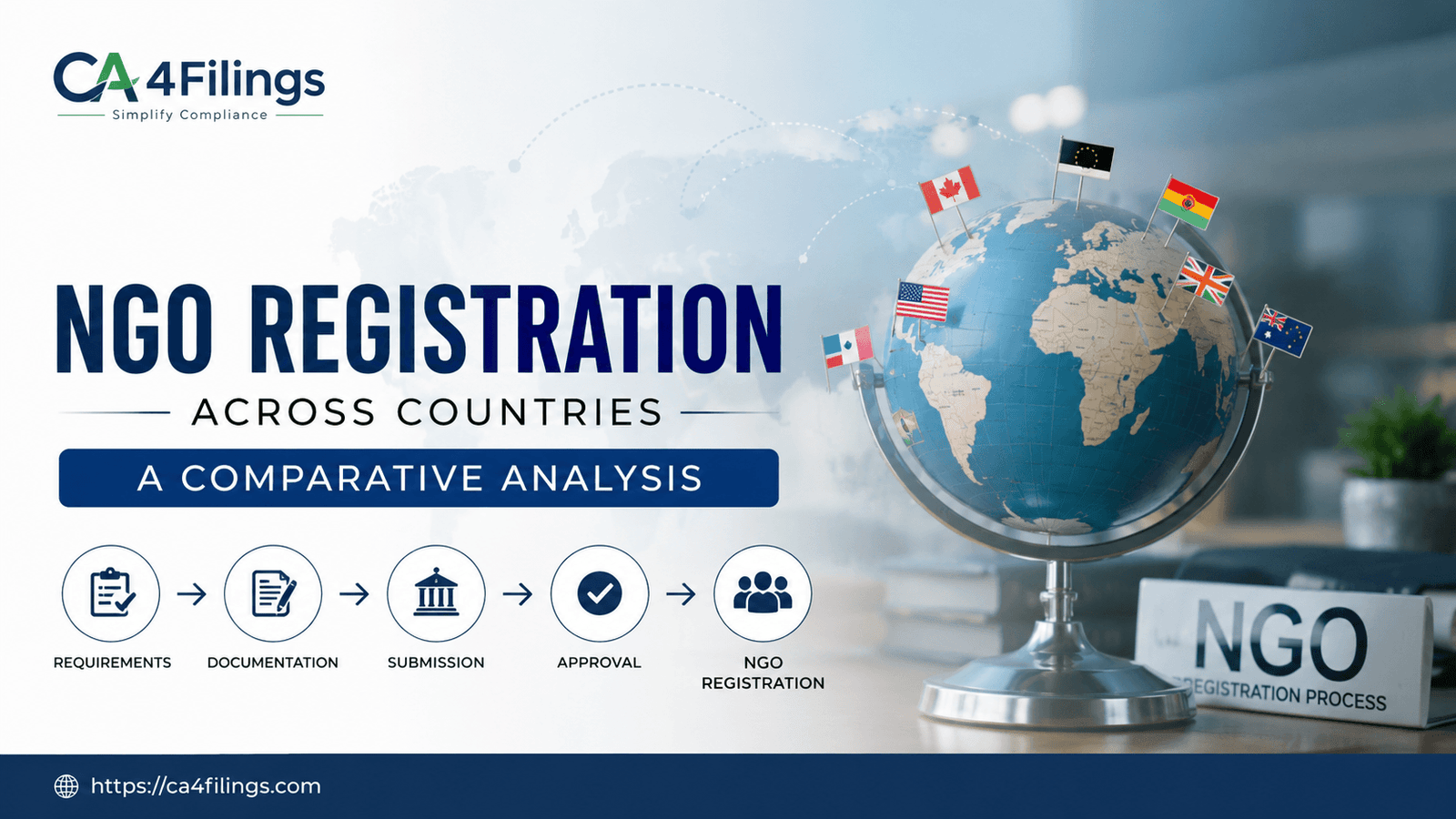
Starting a mission-driven organization is a noble endeavor that requires careful planning and a deep understanding of legal frameworks. Whether you are aiming to impact communities locally or across borders, navigating the regulatory landscape is your first step. At CA4Filings, we often receive queries from passionate changemakers who are confused about global compliance, which is why we have prepared this detailed guide on The Process of Registering an NGO in Different Countries: A Comparative Analysis. If you are looking to formalize your vision and need professional help, you can explore our NGO Registration service to ensure your foundation is built on solid legal ground.
Understanding how different jurisdictions handle non-profit entities is crucial, especially if you plan to operate internationally. While the core objective—serving the public good—remains the same, the compliance hurdles vary significantly.
The Process of Registering an NGO in Different Countries: A Comparative Analysis: A Global Overview
To truly grasp The Process of Registering an NGO in Different Countries: A Comparative Analysis, we must look at how various nations categorize non-profit activity. In India, for instance, you have options like Trusts, Societies, or Section 8 Companies. In the United States, most NGOs operate as 501(c)(3) organizations. This structural choice is the foundation of your NGO’s credibility and tax-exempt status.
Regulatory Nuances in India vs. Western Nations
In India, the registrar of societies or the Registrar of Companies (for Section 8) oversees the process. It is a documentation-heavy task that requires proof of address, unique names, and detailed MOA/AOA documents. Conversely, in the United States, the process involves filing for incorporation at the state level and then applying for federal tax-exempt status through the IRS.
Key Steps in The Process of Registering an NGO in Different Countries: A Comparative Analysis
While every country has its own unique set of forms, the general workflow remains fairly consistent. When we assist clients at CA4Filings, we emphasize these core pillars of compliance:
Defining the Mission: Clearly articulate your goals. An NGO’s mission is the bedrock of its legal application.
Choosing the Legal Structure: Depending on your country, this could be a trust, an association, or a non-profit corporation.
Governance Documentation: You will need a Board of Directors or a set of Trustees. Defining their roles is mandatory for transparency.
Registration Filings: Submitting the requisite paperwork to the governing authority.
Post-Registration Compliance: Obtaining tax ID numbers and ensuring you meet local periodic reporting requirements.
Why Context Matters
When considering The Process of Registering an NGO in Different Countries: A Comparative Analysis, it is essential to realize that "copy-pasting" a strategy from one country to another is a recipe for disaster. Tax laws, foreign funding regulations (like FCRA in India), and reporting standards change drastically across borders.
Challenges in Global NGO Operations
The biggest challenge most of our clients face is the complexity of international banking and tax treaties. Maintaining compliance in two different jurisdictions often requires an audit trail that is airtight. If you are operating as an international NGO, you must ensure that your governance documents align with the local laws of both your home base and your target country of operations.
Frequently Asked Questions
Is the process the same for all countries?
No. The Process of Registering an NGO in Different Countries: A Comparative Analysis reveals that regulatory bodies, documentation requirements, and timeline expectations differ significantly between nations.
How long does it take to register an NGO?
The timeline varies. In India, depending on the structure, it can take anywhere from a few weeks to a few months. International registrations often take longer due to cross-border verification.
Do I need a lawyer in every country?
While not always mandatory, having local counsel or a knowledgeable firm like CA4Filings is highly recommended to avoid costly compliance errors.
What is the most critical document for registration?
The Memorandum of Association or the Articles of Incorporation. These documents define your organization’s purpose and operational rules.
Partnering with CA4Filings for Success
Embarking on a mission to serve the public is a rewarding journey, but the legal complexities can feel overwhelming. By understanding The Process of Registering an NGO in Different Countries: A Comparative Analysis, you position your organization for long-term sustainability and impact. At CA4Filings, we take the stress out of the paperwork, allowing you to focus on the work that actually matters—your cause.
Latest Updates
ca4filings.com Services















-registration.png)